

vwinnews
What Fire Watch Guards Actually Do on the Job Each Night
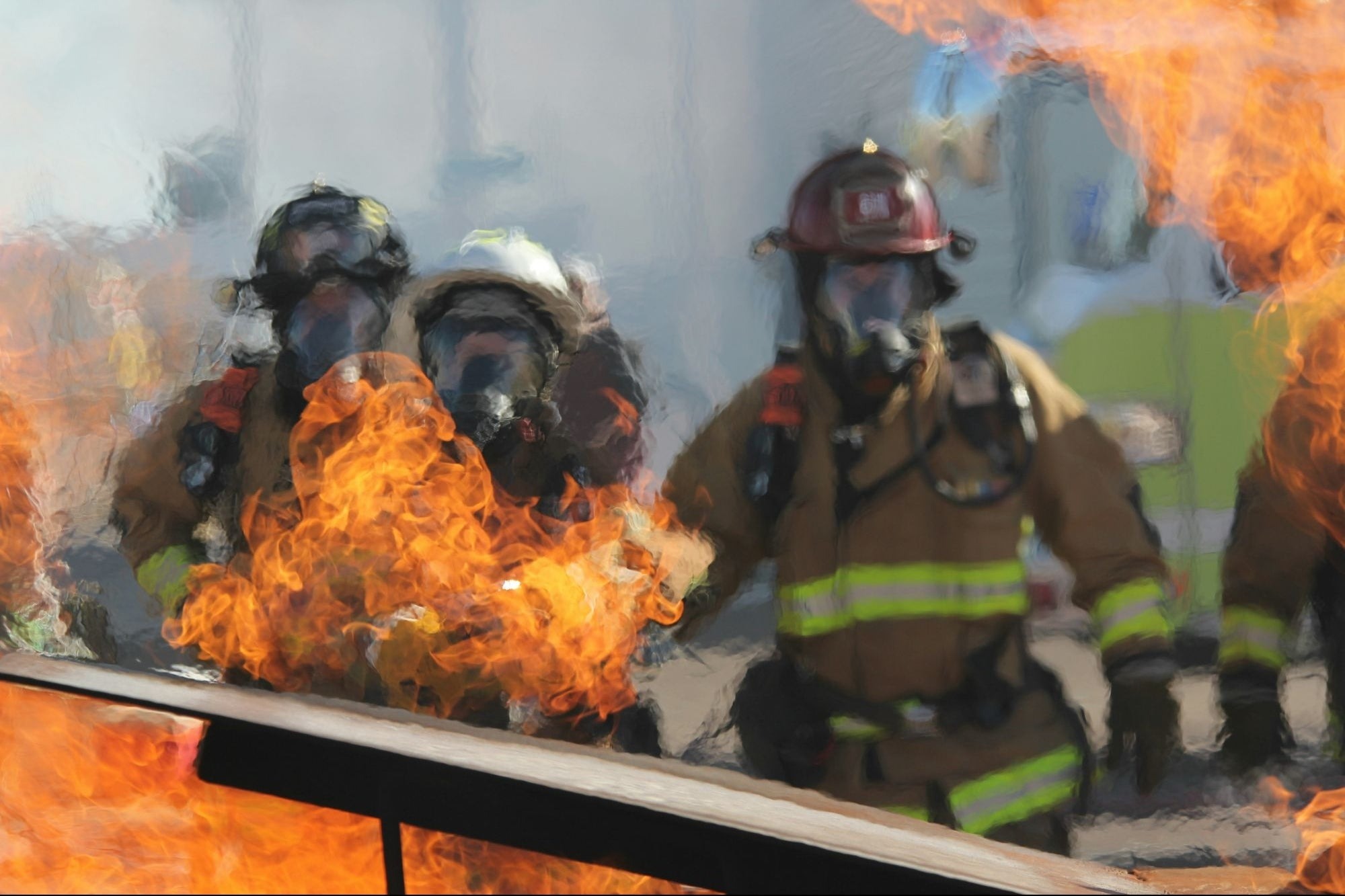
When the rest of the world sleeps, some professionals remain wide awake — scanning shadows, checking corridors, and standing between a quiet building and a potential disaster. Every night, across construction sites, warehouses, hospitals, and high-rise buildings, a silent force of trained professionals carries out one of the most important yet underappreciated jobs in the safety industry. These professionals are Fire Watch Guards — trained sentinels whose vigilance can mean the difference between a minor incident and a catastrophic loss of life and property.
Understanding what these guards actually do on the job each night reveals a demanding, detail-oriented profession that goes far beyond simply "keeping watch." From the moment a fire watch guard clocks in, they are fully immersed in a structured routine of patrols, equipment checks, hazard documentation, and emergency readiness. Their work is guided by strict protocols, legal requirements, and a deep sense of responsibility.
The Shift Begins: Briefing and Preparation
Before a single step is taken on the floor, fire watch guards typically begin their shift with a thorough briefing. This includes reviewing the patrol log from the previous shift, noting any flagged hazards, and becoming familiar with any changes to the site layout, new materials on premises, or temporary disabling of fire suppression systems. This handover process ensures continuity — nothing falls through the cracks between shifts.
Guards also verify that their own communication equipment is functioning — two-way radios, emergency contact lists, and access credentials are all confirmed before the night patrol begins. Being operationally ready from the first minute is non-negotiable in this line of work.
Conducting Regular Patrols
The backbone of a fire watch guard's nightly duties is conducting routine patrols — typically every 15 to 30 minutes throughout the entire facility. These patrols are not casual walks; they are systematic, area-by-area inspections designed to catch fire risks before they escalate.
During each patrol, guards pay close attention to:
- Hot work zones — areas where welding, cutting, or grinding has occurred, which can leave behind smoldering embers hours after work has stopped
- Electrical panels and boiler rooms — high-risk spaces where overloaded circuits, damaged wiring, or faulty equipment can trigger fires without warning
- Flammable material storage — ensuring that combustible substances are properly stored away from ignition sources
- Blocked or obstructed emergency exits — exits must remain fully accessible at all times
- Smoke detectors and sprinkler systems — verifying that no equipment has been accidentally disabled or physically blocked
Each patrol is time-stamped and logged, creating a traceable record of the guard's movements and observations throughout the night.
Hazard Identification and Reporting
Fire Watch Guards are trained to be proactive, not reactive. Identifying a hazard before it becomes a fire is the ultimate goal. During their rounds, guards actively look for signs that something is amiss — the faint smell of smoke, unusual heat radiating from a wall, sparks near electrical equipment, or improperly discarded materials near heat sources.
When a hazard is identified, the guard does not wait. They immediately document the issue, notify the site supervisor or safety coordinator, and — depending on severity — may halt operations in the affected area. This authority to stop work when safety is at risk is one of the most powerful tools a fire watch guard carries, and OSHA recognizes this as a fundamental right and responsibility of anyone assigned to fire watch duties.
Equipment Inspection and Maintenance
Part of the nightly routine involves systematically inspecting fire safety equipment across the premises. Guards check fire extinguishers to confirm they are properly mounted, within expiration dates, and free from physical damage. They verify that sprinkler heads are unobstructed, smoke detectors are functioning, emergency lighting is operational, and hose stations are accessible.
This equipment oversight isn't optional — in most jurisdictions, it is a legal requirement. Failure to maintain fire safety equipment can result in massive fines, insurance penalties, or the suspension of a facility's operating permits. The fire watch guard serves as the last line of defense in ensuring these systems are ready to perform when needed most.
Emergency Response and Evacuation Coordination
When the worst happens, a fire watch guard must act swiftly and decisively. Their role in an emergency goes beyond calling 911 — they are trained first responders who initiate evacuation procedures, sound alarms, guide occupants to safety, and use on-site fire extinguishers to control small fires before they spread.
Effective communication is critical in these moments. Guards use two-way radios to relay real-time information to emergency services and management, providing details about the fire's location, size, and potential hazards like stored chemicals or compressed gases. Their calm, trained response under pressure can prevent panic, save lives, and significantly reduce property damage.
Detailed Documentation and Logging
Long after the patrols are done and the shift winds down, fire watch guards spend time completing comprehensive documentation. Every patrol, every hazard spotted, every equipment check, and every corrective action taken must be recorded in a security log. These records are not just procedural formalities — they serve as legal evidence of compliance, are reviewed during fire marshal inspections, and can be critical during insurance claim investigations.
Night shift guards record their patrol times at the end of each round and leave detailed notes for the incoming day shift, ensuring a seamless and consistent level of protection around the clock.
Why Their Role Cannot Be Underestimated
The nightly work of Fire Watch Guards is a profession rooted in discipline, awareness, and responsibility. Whether stationed at a construction site where fire suppression systems are temporarily offline, a manufacturing plant conducting hot work, or a residential tower where a sprinkler system is under repair, these guards provide an irreplaceable layer of human protection that technology alone cannot offer.
Their presence reassures building owners, satisfies regulatory bodies, and — most importantly — protects the people inside. Night after night, fire watch guards perform their duties with quiet professionalism, knowing that their alertness could be the single factor standing between safety and catastrophe.
In a world where fire risks are ever-present and the consequences of negligence are devastating, the role of a fire watch guard is not just important — it is absolutely essential.